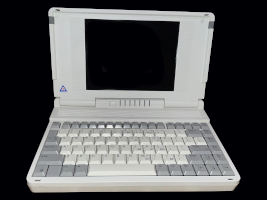
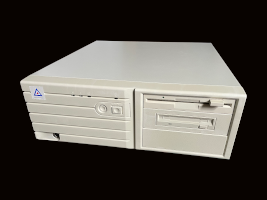
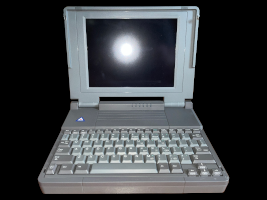
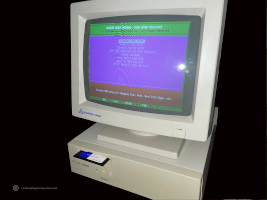
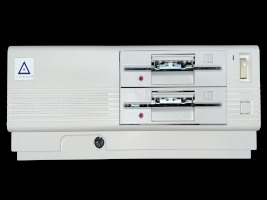
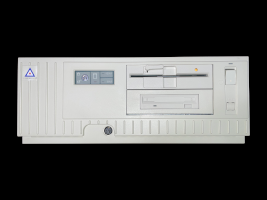
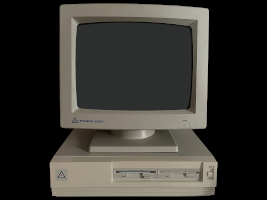
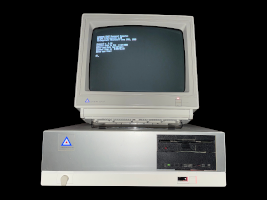
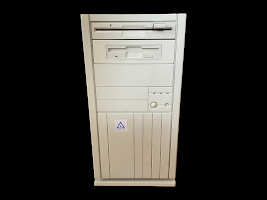
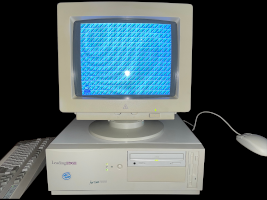
computers Page: 386SX Notebook The Leading Edge 386SX Notebook represents the company's entry into early 1990s portable computing, combining desktop−class compatibility with a compact notebook form factor. Housed in a distinctive white chassis and powered by a low−energy 386SX processor, the system was offered with multiple hard drive options and expandable memory. Designed to balance performance with portability, this notebook reflects both the ambitions and design quirks of early laptop engineering from the era. More… 386SX PC Model DC‐3621 The Leading Edge 386SX PC Model DC−3621 was designed to deliver 32−bit computing capabilities at a price point accessible to home users, schools, and small offices. Built around Intel's 80386SX processor, the system paired modern processing power with widespread ISA compatibility, allowing it to run contemporary software while supporting affordable expansion hardware. With built−in VGA, multiple drive options, and clearly documented internal configurations, the DC−3621 emphasized flexibility and user control at a time when hands−on system setup was the norm. More… 386SX Plus Notebook The Leading Edge 386SX Plus Notebook was positioned as a higher−performance portable system aimed at professionals who needed serious computing power in a mobile form. Equipped with a faster 386SX processor and a refined hardware layout, the notebook delivered strong MS−DOS compatibility while remaining compact enough for travel. Thoughtful physical controls, external connectivity options, and a capable monochrome display made the system practical for extended use beyond the desktop, reflecting the growing expectations of early 1990s notebook users. More… Fortiva 3000 Introduced during a turbulent period for the company, the Fortiva 3000 marked Leading Edge's transition under new ownership and a shift toward smaller, more affordable desktop systems. Designed to occupy minimal desk space while still offering practical expandability, the Fortiva 3000 balanced cost−conscious engineering with mid−1990s performance expectations. Its understated styling and compact footprint set it apart from bulkier contemporaries, making it a distinctive example of a transitional desktop PC from a changing era. More… Model D The Leading Edge Model D was the company's breakthrough desktop system and one of its most widely adopted computers of the 1980s. Positioned as an affordable alternative to IBM−compatible PCs, the Model D combined familiar XT−class architecture with subtle design refinements that appealed to cost−conscious buyers. Strong early sales, flexible storage configurations, and solid expandability helped establish the Model D as a defining product in Leading Edge's lineup and a common sight in homes and small offices throughout the decade. More… Model D2 Plus DC-2511 The Leading Edge Model D2 Plus DC−2511 was a refined evolution of the earlier D2 series, offering improved usability and expanded configuration options for late−1980s PC users. Built around a 286−class architecture, the system combined updated storage capabilities with a cleaner physical redesign while maintaining broad compatibility with standard peripherals and expansion hardware. With flexible memory options, multiple drive configurations, and generous ISA expansion, the D2 Plus served as a capable and adaptable desktop for business and productivity environments. More… Model D86 The Leading Edge Model D−86 marked a significant step forward from earlier XT−class systems, offering improved performance and a more compact desktop design. Built around an 8086 processor, the system delivered faster operation, modernized storage options, and updated peripheral support while retaining compatibility with standard PC hardware. Its lower−profile case and restrained styling reflected the shift toward more efficient, business−oriented desktop computers in the late 1980s. More… Model M The Leading Edge Model M was an early desktop system released alongside the Model D, notable for its distinct hardware origin and striking industrial design. Built around an 8088−class architecture, the Model M combined business−oriented functionality with an unexpectedly bold exterior that set it apart from other PCs of its era. Its overlapping availability with later models, along with internal design differences, made it a unique and sometimes misunderstood entry in Leading Edge's early product lineup. More… Model MT33 The Leading Edge Model MT33 was a tower−style desktop designed to deliver higher performance and expandability than the company's earlier systems. Built around a 386DX−class architecture, the MT33 supported increased memory capacity and a wide range of internal upgrades, making it suitable for more demanding applications. Its heavy steel construction, unconventional internal layout, and ample expansion options reflected a design focused on durability and flexibility during a period of rapid change in PC hardware. More… Fortiva 5000 CPC 2800 The Fortiva series of computers was a line of affordable systems introduced by Daewoo after fully taking over operations of Leading Edge in the early to mid−1990s. Derived from the Latin word for bravery, the name reflected a small glimmer of hope that the company, which had struggled to find its place after the discontinuation of the Model D, could brave the 1990s and the rapidly expanding personal computer user base by offering a more affordable option at a time when 486 systems were still prohibitively expensive. This new outlook, paired with a redesigned brand image, was intended to solidify Leading Edge's place in the market regardless of the outcome. It was in this situation that the Leading Edge Fortiva 5000 CPC−2800 was offered to potential customers. More… Page:

